Affidavit Details Investigation Into Salina Animal Shelter Euthanasia Case
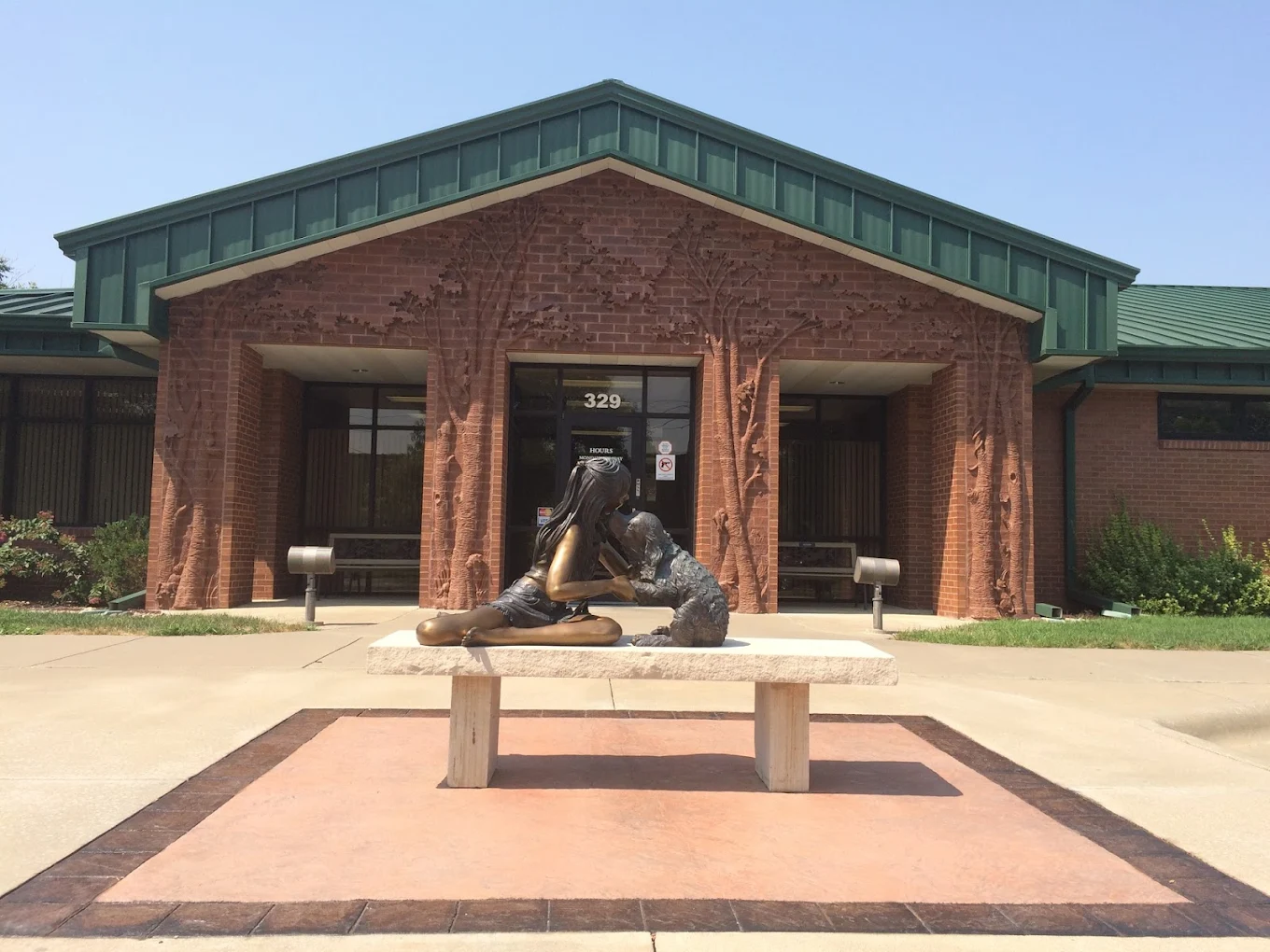
A court-filed affidavit in Saline County District Court provides a detailed account of the investigation into the euthanasia of three puppies at the Salina Animal Shelter and the resulting request for criminal charges against Andrea Lyn Murphy and Monique Marie Hawley.
The affidavit was submitted by Saline County Deputy Sheriff Kody Trower and identifies the State of Kansas as plaintiff. The filing names Murphy and Hawley as defendants and states that investigators believed probable cause existed related to the euthanasia of three puppies at the Salina Animal Shelter.
The document states that a warrant was requested charging Murphy and Hawley with “3 count(s) of Cruelty to Animals, a Misdemeanor,” under Kansas statute.
The allegations have not been proven in court. Murphy and Hawley are presumed innocent unless and until proven guilty.
Complaint Began With Report to Law Enforcement
According to the affidavit, Salina Police Officer Surface received a report from the Kansas Bureau of Investigation on March 5, 2026, regarding a complaint about the Salina Animal Shelter and its employees.
The affidavit states the original complaint came from Salina resident Kimberly Hill. The complaint alleged that three puppies were euthanized in the front lobby of the shelter using a “heart stick method,” and that they were euthanized “without being sedated beforehand.”
The affidavit says Officer Surface later spoke with Hill, who said much of her information came from public records, Animal Shelter Advisory Board meetings and word of mouth. Hill also said Michelle Timson had more information about the subject.
Shelter Manager Described Parvo Concerns
Trower wrote that on March 20, 2026, he went to the Salina Animal Shelter and spoke with multiple employees.
The affidavit says he first spoke with Animal Services Manager Monique Hawley. According to the affidavit, Hawley said the incident occurred on Dec. 16, 2025, when a man brought three puppies into the shelter lobby.
Hawley described the puppies as “very sickly,” dirty and smelly. The affidavit says one puppy defecated in the lobby and the stool was bloody, which Hawley said was indicative of canine parvovirus, also known as parvo. A parvo test came back positive.
According to the affidavit, Hawley told investigators parvo was a fast-spreading and dangerous disease, and that Salina Animal Shelter policy was to euthanize animals with parvo while they were under shelter care because of the risk to other animals.
Hawley told investigators that the employees present for the euthanasia included Murphy, Alexis Cunningham, Hawley and potentially another employee.
The affidavit says Hawley told investigators that Murphy first attempted an intravenous injection on the first puppy, but due to dehydration, the injection was only partially effective. Hawley said Murphy then attempted intraperitoneal injections, described in the affidavit as injections into the abdomen.
Hawley told investigators that Ketamine was typically used as sedation before Fatal Plus Solution, but it was not used in this case because the puppies were very lethargic and “out of it.”
“I don’t know that they felt anything,” Hawley told investigators, according to the affidavit.
Murphy Said Puppies Were Sick and Test Showed High Viral Load
The affidavit says Trower later interviewed Murphy on March 24, 2026, at the Salina Animal Shelter.
According to the affidavit, Murphy said a man brought three puppies to the shelter after locating them a couple of days earlier. Murphy said that when she first saw the puppies, they were “very clearly very sickly and smelled of parvo.”
Murphy said the shelter used a “snap test” for parvo and that the test came back positive within two minutes. She said that usually takes up to 10 minutes and described the quick result as an indicator of a high viral load.
Murphy told investigators that, under shelter policy, animals with parvovirus were to be euthanized because it was contagious and posed a danger to other animals in the shelter.
According to the affidavit, Murphy said the puppies were in and out of consciousness and that they decided to perform the euthanasia without sedation. She said that in a more typical situation involving a larger and fully conscious animal, Ketamine and Xylazine would be used for sedation.
Murphy told investigators that she attempted to administer the drug intravenously on the first animal but was unable to get a vein because of dehydration.
“At that point we decided to go to IP. Which would be intraperitoneal, it’s into the abdominal cavity,” Murphy said, according to the affidavit.
Murphy said the first two euthanasias went well, but the third puppy became more active. According to the affidavit, Murphy said the puppy started “flopping around” and trying to bite after the injection began. Murphy said she believed that was due to the medication “burning” when injected.
The affidavit says Murphy told investigators that, after the incident, the animal shelter was closed to the public and sanitized for the rest of the day.
Affidavit Notes Lack of Video
The affidavit says investigators asked about lobby camera footage. Hawley told investigators there were cameras, but footage was only maintained for 10 to 14 days.
Murphy also told investigators that video of the incident was no longer available because the system recorded over videos every 10 to 14 days.
Records Raised Questions About Method Used
The affidavit says Salina resident Susan Nickel later provided investigators with internal records she had obtained and reviewed.
According to the affidavit, those documents included an “Euthanasia History Report” listing the size and breed of the dogs and the amount of Fatal Plus used. The affidavit states that the report did not list the euthanasia method.
The affidavit also says Nickel provided a policy document regarding parvovirus and euthanasia procedures. According to the affidavit, that policy outlined that animals with parvovirus were to be euthanized to prevent spread to other animals. It listed intravenous access as the preferred method, while intraperitoneal injection was identified as an option if IV access was distressful, dangerous or impractical.
The affidavit says the document further stated that euthanasia should be performed by lethal injection in accordance with the American Veterinary Medical Association.
The affidavit also quotes an internal email from Murphy regarding the issue:
“Referencing the heart stick. We were trained and signed off by our contracted veterinarian to use the heart stick when we are unable to use IV method and the animal is unconscious. We do it rarely but have had the training (not to state standards) to use it to confirm death in an animal. I am more than halfway through the Euthanasia by Injection training we will be using as the certificate program, and everything so far matches with what we were taught and have been doing. The problem is the record keeping and documentation of the route and sedative that the state pointed out.”
Witnesses Gave Different Accounts
The affidavit includes interviews with several shelter employees and witnesses.
Alexis Cunningham told investigators she was present for the incident. According to the affidavit, Cunningham said one of the puppies tested positive for parvo and Murphy decided the puppies needed to be euthanized. Cunningham said the way the euthanasias were performed made her and other staff members uncomfortable.
On March 27, Cunningham told investigators the puppies were euthanized by a heart stick method.
“They were heart sticking them,” Cunningham said, according to the affidavit.
The affidavit says Cunningham indicated the injection area was between the chest and ribcage.
Jurzy Kaeding also spoke with investigators. According to the affidavit, Kaeding said she was in the surgery suite when she was asked to come to the lobby with syringes. Kaeding said Murphy already had Fatal Plus “pulled up” when she arrived.
Kaeding told investigators that Murphy laid the puppies on a mat without sedation and euthanized them.
“She said all three puppies were completely awake, walking around, and trying to play,” the affidavit states.
Kaeding said there were puddles of diarrhea on the floor, which were clear signs of parvo, but she did not see lethargy in the animals.
Kaeding told investigators she believed the method was a heart stick because the puppies were held down by Hawley while Murphy placed the needle into the chest or rib cage area. She said Murphy pulled back on the plunger to see whether there was blood before injecting.
According to the affidavit, Kaeding said she only saw blood in the syringe on one of the puppies and thought Murphy was not able to get it on the other two.
“She thought the first injection hit the heart because that puppy died quickly,” the affidavit states. “She said the other two got up and ran while yelping.”
Kaeding told investigators she had been trained to perform intracardiac euthanasia by Dr. Melissa Juby, the contracted veterinarian for the shelter. According to the affidavit, Kaeding said the animal should be sedated “100 percent of the time.”
Janae Valenta, an animal control officer, told investigators she was present for the entire incident. According to the affidavit, Valenta said that after the parvo test was positive, Murphy grabbed the euthanasia kit and told Hawley something like, “the fastest and easiest way we’re going to do this is we’re just going to heart stick them.”
Valenta described the puppies as visibly sick but fully conscious. She told investigators she did not see Murphy or Hawley attempt to use a vein first.
According to the affidavit, Valenta said the dogs were not sedated and heart sticks were not allowed unless the animals were sedated. She described the heart stick method as “the fastest but most painful method of euthanasia.”
Valenta told investigators she later contacted Dr. Juby out of concern for what happened.
Hawley Later Said It Could Have Been a Heart Stick
The affidavit says investigators later spoke with Hawley again.
According to the affidavit, Hawley initially said the injection area on the first dog was on the left side beneath the arm, in the lower rib cage area. She thought the other two were performed the same way but did not remember exactly.
When asked whether that could be called an IP injection, Hawley replied, “Right, it’s kind of that abdominal pleural area.”
She also told investigators, “you never know for sure what you’re going to hit, it could be heart, lungs, or pleural space.”
The affidavit says Hawley later clarified that it could have been a heart stick because the heart is in that area and could have been hit during the procedure.
Contract Veterinarian Said Intracardiac Injection Is Limited to Unconscious or Anesthetized Animals
The affidavit says investigators spoke with Dr. Melissa Juby by phone on April 2, 2026.
According to the affidavit, Dr. Juby said she was contacted the evening of the incident by an employee who told her the euthanasia method was intracardiac injection without sedation.
Dr. Juby told investigators that under American Veterinary Medical Association standards, intracardiac injection is only an option for fully anesthetized and unconscious animals.
According to the affidavit, Dr. Juby later emailed Parks and Recreation Director Jeff Hammond, explaining that the method was “never appropriate when the animal is not unconscious.” She said “to do otherwise was inhumane.”
Dr. Juby told investigators that during a later meeting with Hammond, Murphy and Hawley, Murphy “took full responsibility for what happened.”
The affidavit says Dr. Juby also told investigators that the puppies “continued to suffer” and that she was concerned about transmitting parvovirus to the shelter, which she described as a valid concern.
When Trower told Dr. Juby he had been told the method was intraperitoneal, the affidavit says Dr. Juby responded, “Nope, it was not, it was intra-cardiac.”
Trower asked Dr. Juby whether what happened constituted animal abuse and whether the euthanasia could be called inhumane.
“I would say that it does constitute animal abuse and I outlined that in my email to Jeff,” Dr. Juby said, according to the affidavit.
Dr. Juby also told investigators she did not think the motivation was malicious. According to the affidavit, she said she believed the goal was to euthanize the puppies as quickly and humanely as possible because they were suffering from illness and because of the risk to other shelter animals.
However, Dr. Juby said the staff chose intracardiac injection because they felt more confident they could hit the heart rather than the vein. The affidavit says Dr. Juby said she had later told them intraperitoneal injections were intended for that type of situation.
Euthanasia Certifications Pulled Pending Training
The affidavit says Dr. Juby told investigators that, as a result of the situation, she and the state opted to pull euthanasia certifications for all employees at the Salina Animal Shelter pending further training.
According to the affidavit, Dr. Juby sent investigators an email she had previously sent, and Trower wrote that the statements in the email matched what she had discussed with him by phone.
The affidavit says the email described using the intracardiac method on an awake patient as “cruel and inhumane.”
Trower wrote that he reviewed the AVMA euthanasia standards available online. According to the affidavit, those standards list intracardiac and other intra-organ injections as acceptable only in unconscious or anesthetized animals.
Affidavit Supports Request for Charges
The affidavit concludes by requesting warrants charging Murphy and Hawley with three misdemeanor counts of cruelty to animals.
The affidavit states that its information came from official reports and investigations of the Saline County Sheriff’s Office and the Salina Police Department.
The case remains a criminal matter, and the allegations described in the affidavit are not findings of guilt.
Get Verified on Salina311.
Salina311 is 100% local and reaches more than 70,000 regional subscribers, giving us the largest subscriber base in Saline County.
Local businesses can now get verified in the Salina311 Business Directory. Verification helps improve your local visibility and makes sure customers can find accurate information about you.
Our voting system is fair and simple: one vote per person, with no vote-racking or games.
If you don’t see your business category listed, let us know.
Get verified here:https://www.salina311.com/businesses/create/?verification_option=verified
Want this story in print?
We'll print this story on the cover and inside of a keepsake 4-page paper, then package it and ship it right to your door.
Sign in to save 10% — paid members save 20%.
