50 Years in Salina: The Land Institute Brings Prairie Festival Back for Anniversary Weekend
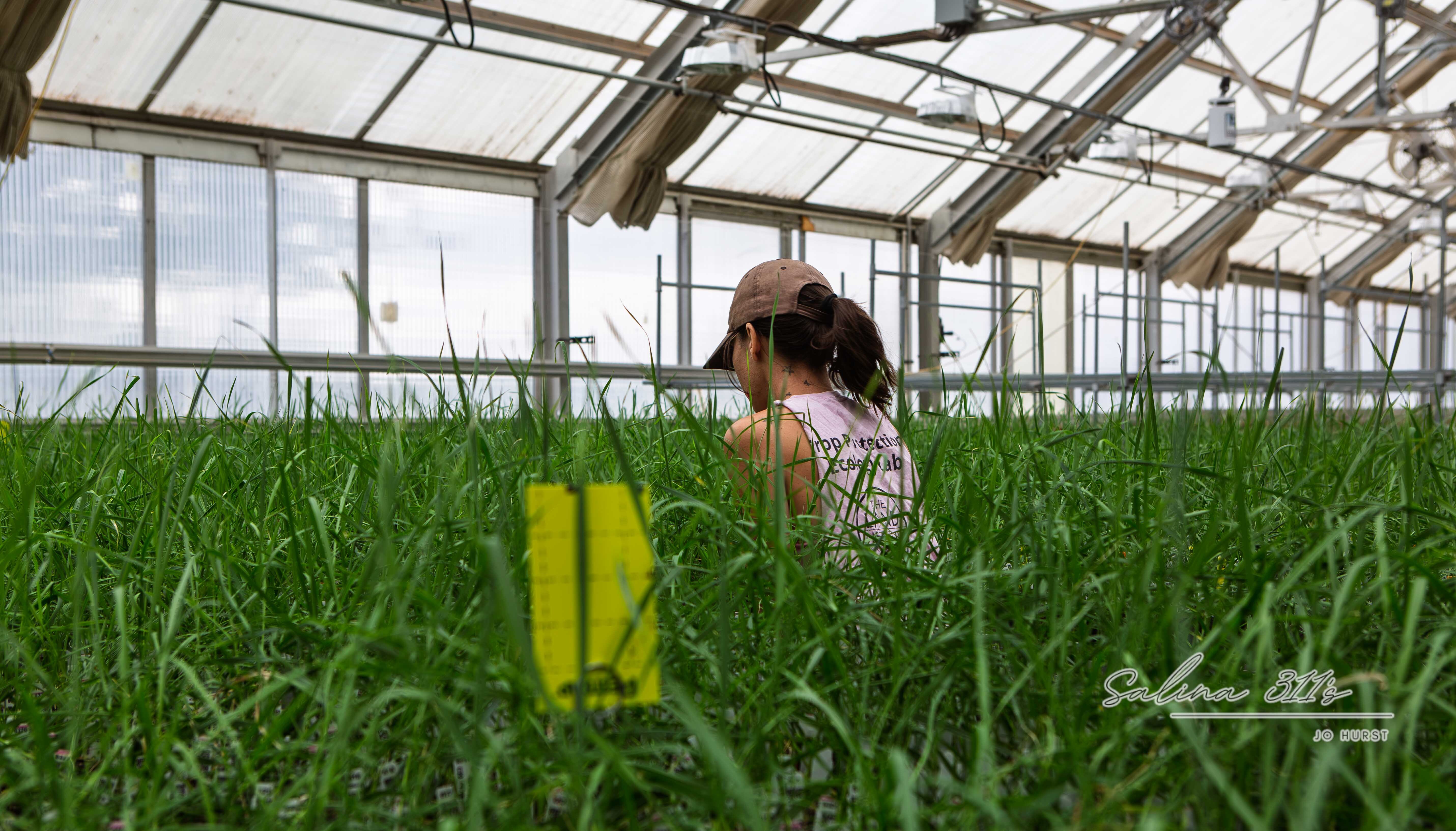
Fifty years after The Land Institute began its work outside Salina, the organization is preparing to mark the milestone with three days of science, art, music and conversations about the future of agriculture.
Prairie Festival 2026 will be held Sept. 25-27 at The Land Institute, bringing an expected 500 to 600 people to Salina for an event with roots stretching back to 1979.
Tammy Kimbler, chief communications officer for The Land Institute, spoke with Salina311 ahead of the festival about both the anniversary and research that has evolved considerably since the organization's early years.
The basic idea behind much of that work remains straightforward: What if important food crops didn't have to be replanted every year?
Beyond Kernza
Most traditional grain crops are annuals. Farmers plant them, harvest them and then plant another crop.
Perennial crops can live for multiple years, regrowing after harvest rather than requiring farmers to start over each year.
The Land Institute is probably best known for Kernza, a perennial grain developed from intermediate wheatgrass, but Kimbler said the organization's work reaches much further.
Researchers and partners are working with perennial wheat, perennial sorghum, perennial Baki bean, perennial rice and perennial oilseeds, among other crops.
And much of that work is international.
The Land Institute has research relationships around the world, including perennial rice work in China. The organization is also working toward regulatory authorization that would allow Kernza to be used as a food ingredient in Europe.
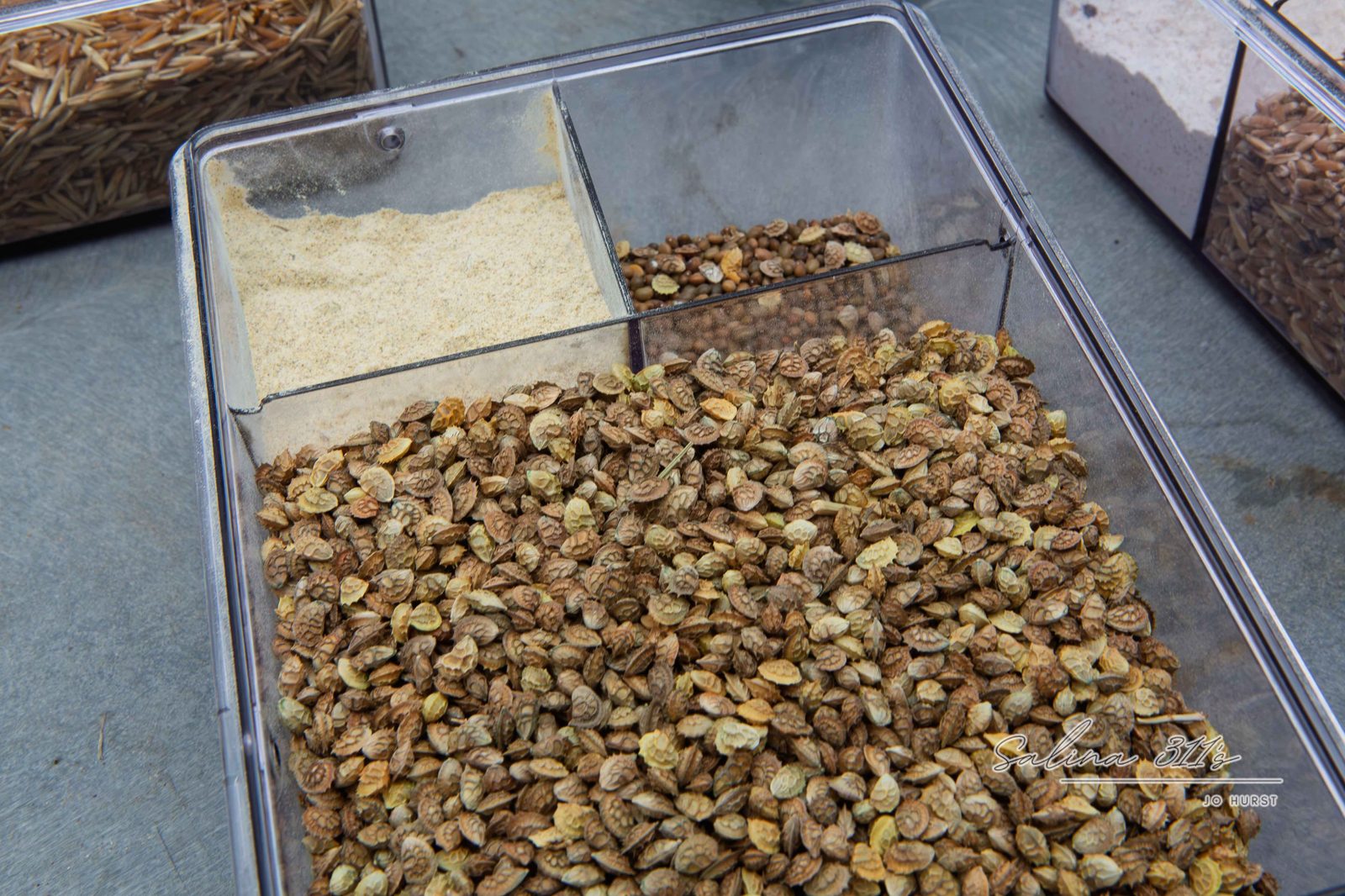
The goal isn't simply to create a plant that survives from one year to the next. Researchers have to determine whether it can become a practical crop and, eventually, practical food.
“A big chunk of the relationship is social science,” Kimbler told Salina311. “How do you introduce a new grain from a culinary standpoint? Can it process? Does it taste good?”
Then there is an entirely different question for farmers accustomed to annual crops.
“How do you care for something that comes back every year and not replant?” Kimbler said.
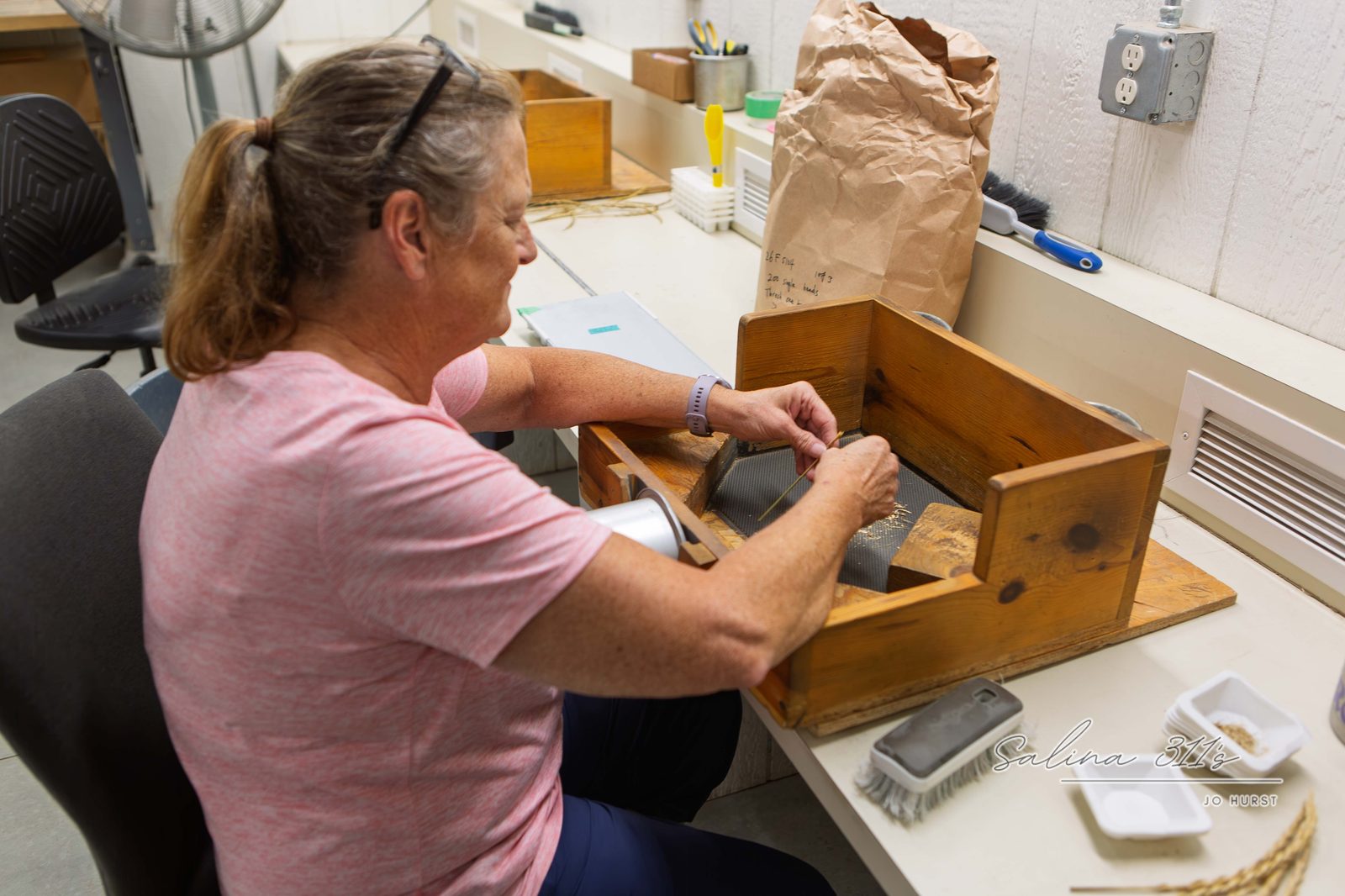
Those questions mean that developing a perennial grain can involve considerably more than plant genetics. Researchers have to consider how farmers grow it, how it is harvested and processed, whether food manufacturers can use it, and whether consumers want to eat it.
Cutting years out of plant breeding
The science behind that process has also changed dramatically.
Kimbler pointed to advances in genomics as one of the tools accelerating the work.
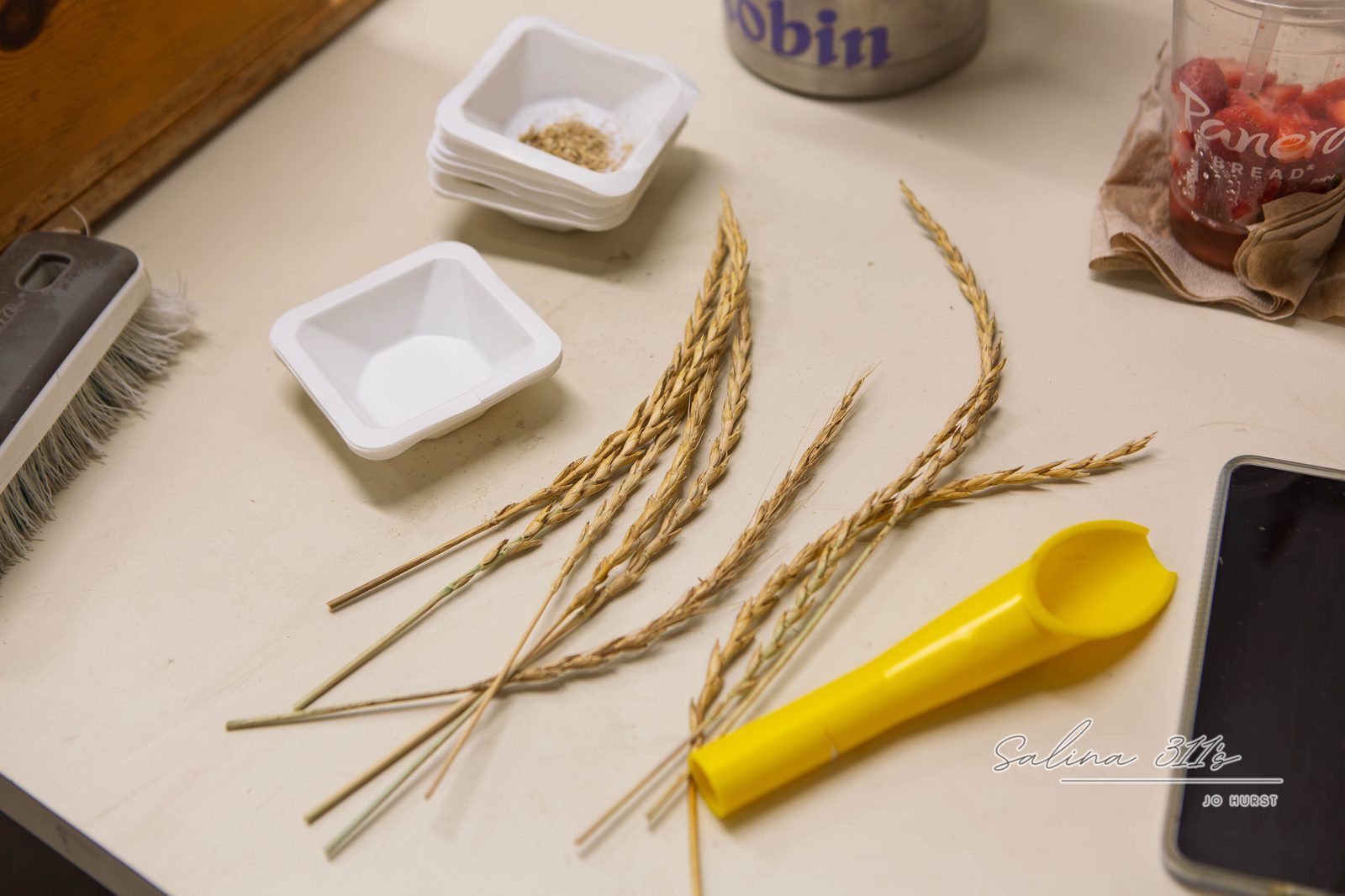
Researchers can grow plants in the field, study the characteristics they want and use genomic information to help identify which plants should be selected and crossed.
Kimbler said a selection that once could take approximately five years can now be made much more rapidly, with researchers able to make two selections in a year in some breeding work.
That increased speed matters when the objective is developing crops with combinations of traits — including perennial growth and characteristics needed for agriculture and food production.
Prairie Festival returns
The science is only one part of Prairie Festival.
The first Prairie Festival was held in 1979. It has been held regularly since then, although not every year, developing into a gathering combining agriculture and ecology with art, literature, music and broader discussions about people's relationship with the land.
This year's festival coincides with The Land Institute's 50th anniversary.
Friday evening will begin with the traditional community welcome and a barn dance under a large tent. Kernza beer, wine and other beverages will be available for purchase, including a beer garden.
Saturday will feature keynote addresses and speakers from around the country discussing subjects including ecology, climate, Indigenous work, science and justice.
Among the featured participants is climate scientist and author Kate Marvel.
The weekend will also recognize the history of The Land Institute and its founders, including Wes Jackson and Dana Jackson, while bringing artists onto the property for installations integrated into the landscape.
Poetry, music, book signings and other programming will run alongside the scientific discussions.
Seeing the research firsthand
For visitors, the weekend will also provide an opportunity to see what is normally happening behind the scenes at the Salina research organization.
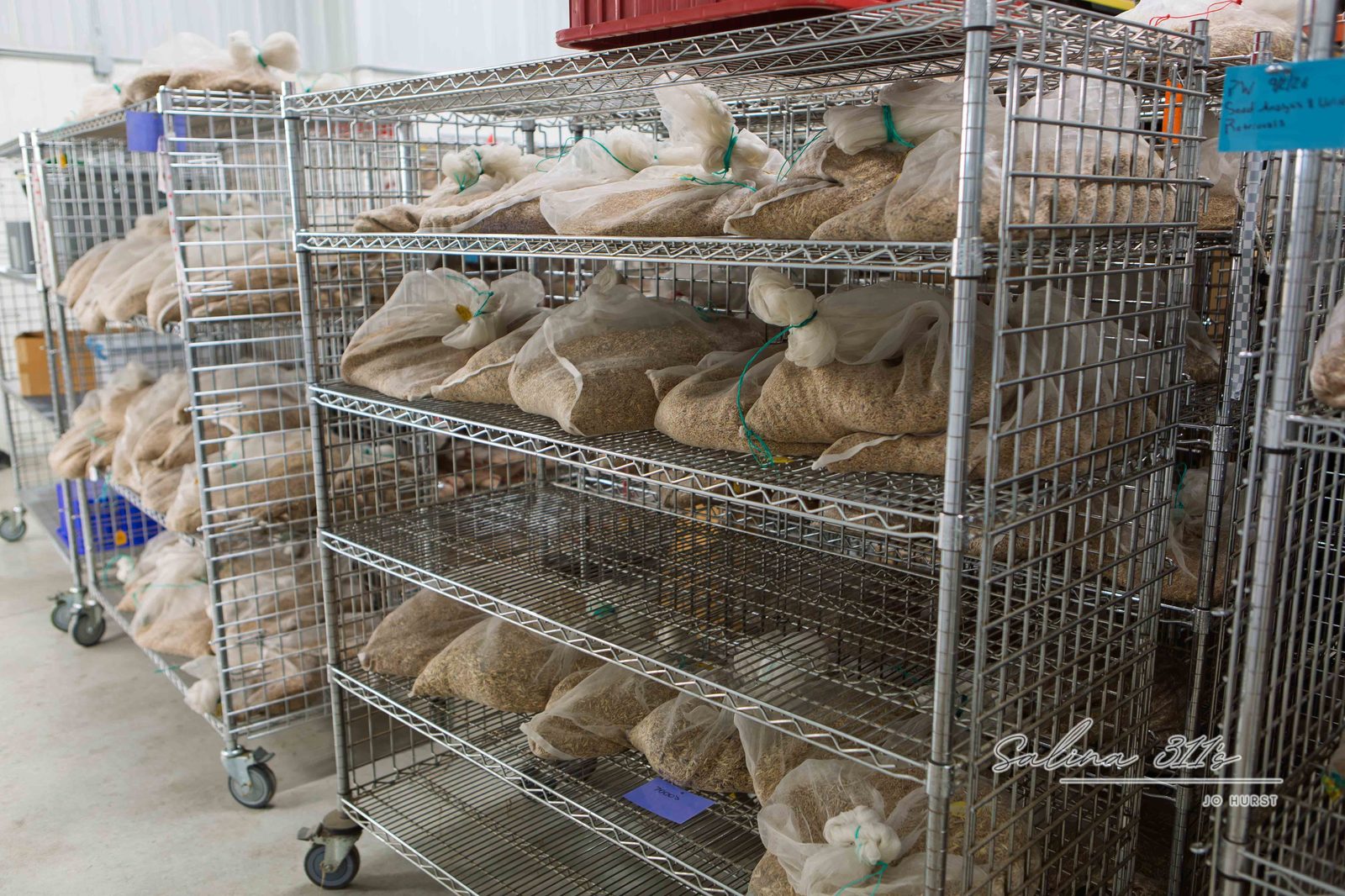
Science tours will take visitors through portions of The Land Institute's research, including the crops and field work involved in developing perennial agriculture.
Prairie walks and other opportunities to explore the property are also planned.
Sunday will be a shorter day, beginning with a Kernza pancake breakfast and continuing with additional programming, including a keynote appearance and book signing with Marvel.
For an organization that began outside Salina 50 years ago, the anniversary also illustrates how far the research has traveled.
Work that takes place in experimental plots in Saline County is now connected to scientists, farmers and institutions around the world.
But Kimbler's description of the challenge shows why the work doesn't end when researchers successfully breed a perennial plant.
It still has to work in a farmer's field.
It has to be processed.
And, ultimately, it has to taste good.