Salina renews city employee health plan, takes on more risk to hold down cost
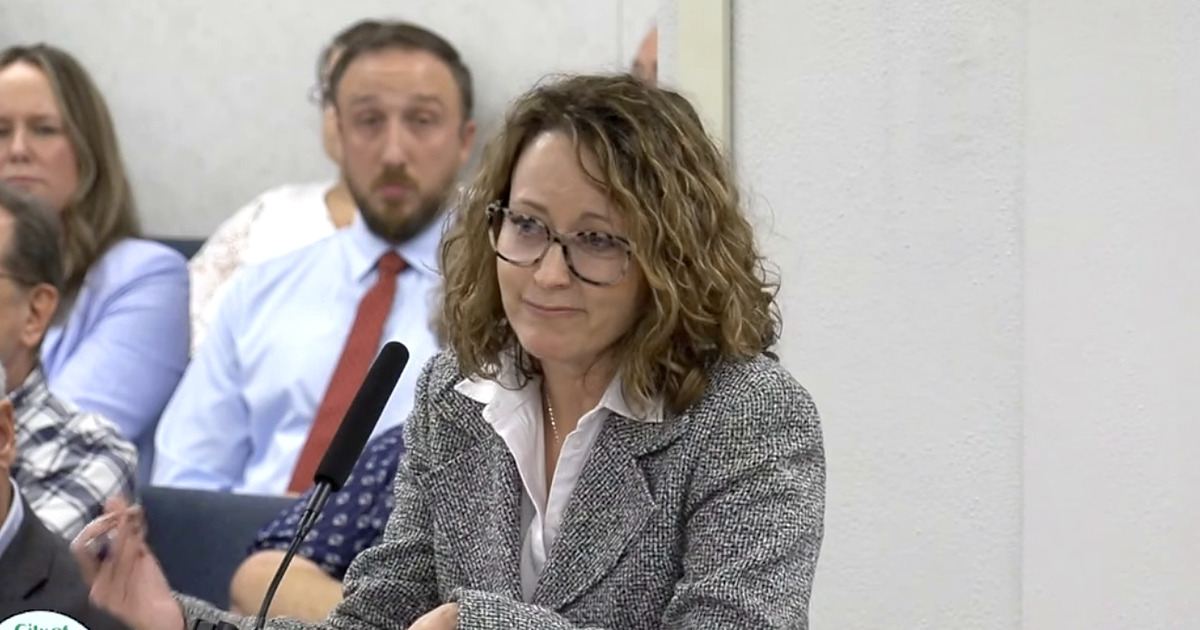
Photo: Salina311
SALINA, Kan. — The Salina City Commission on Monday renewed the city's employee health plan with Blue Cross Blue Shield of Kansas, choosing a higher stop-loss level that city staff said avoids a much larger jump in fixed costs.
Commissioners voted 5-0 to authorize the city manager to renew the agreement for $1,117,117. The contract covers Blue Cross administration of the city's self-funded health and prescription plan, along with stop-loss insurance that protects the city's health fund from very large claims. The renewal covers the plan year that begins Jan. 1, 2027.
The city pays its employees' medical claims directly from its own health insurance fund. Stop-loss coverage kicks in after a single person's claims pass a set amount in a year. Natalie Fischer, the city's director of human resources, said the renewal offer for the current $200,000 individual level came with a significant increase.
"We quite honestly don't think we can afford to renew at our current level," Fischer told commissioners.
Keeping the $200,000 level would have cost $1,374,280, an increase of more than $350,000, or just under $30,000 a month in fixed costs, Fischer said. After discussions with the city, Blue Cross offered a $250,000 individual level totaling $1,117,117. That option still increases costs by about $92,800, she said, but city staff believe the city can absorb the added risk based on how the plan has performed in recent years.
Bob Charlesworth of R&I Counselors LLC in Olathe, the city's longtime benefits consultant, said the choice saves about $257,000 a year in exchange for the city covering up to $50,000 more on each high-cost claim. He said the city usually has about four claims a year that exceed the stop-loss level. This year there has been one, which he described as large.
"I'm not happy with it, but I'm okay with it," Charlesworth said of the renewal. He said stop-loss premiums representing about 9% of total plan funding fall within a realistic range of 8% to 10%. Charlesworth said he is paid a flat fee by the city and receives no commissions from Blue Cross.
Bigger share of drug rebates
Charlesworth said one change works in the city's favor. Blue Cross has kept 20% of prescription drug rebates to help cover administrative costs, with the city receiving 80%. Going forward, the city will receive all of the rebates, which he estimated at about $175,000 more a year.
The city added prescriptions to its stop-loss coverage in 2021 to protect against rising drug costs, a move Charlesworth said has paid off.
The plan also includes aggregate stop-loss coverage, which pays claims after the city's total claims exceed 130% of Blue Cross's projected claims. Under the $250,000 option, the Blue Cross renewal sheet shows expected annual claims of about $8.09 million, an aggregate attachment point of about $10.515 million, and a maximum annual liability of about $11.632 million.
What it means for employees
Fischer said the city has budgeted a 5% premium increase for the plan year. For employees, that works out to about $8 a month more for individual coverage, $16 a month more for employee-plus-one coverage and $19 a month more for family coverage. By comparison, she said, the 1.5% cost-of-living adjustment means an increase of about $45 a month for an employee at the city's lowest pay grade.
Fischer said the annual contract amount is based on current enrollment and is billed monthly, so the final total may differ slightly by the end of the year.
Commissioner Trent Davis supported the higher stop-loss level, noting that coverage can't be added after a costly claim occurs.
"You can't go back and buy it afterwards," Davis said. "So I would say we bite the bullet and take the recommendation."
Mayor Mike Hoppock noted that Charlesworth had run the numbers. "That's what we pay him to do," he said.