OP-ED: Hands Off Lakewood! Keep the river in its channel, the dredge out of our sanctuary and off our nature trails
By Tom Wilbur, with Lori Hinde Hall
Of all the places in Salina to put dredged sediment from the old Smoky Hill River channel, why would we choose one of our most treasured wildlife sanctuaries?
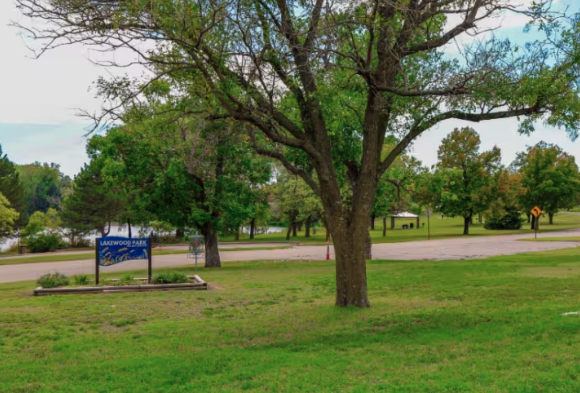
Lakewood Park is not a problem in need of a solution. It is a community success story, and no one has been more passionate about keeping it as it is, than Lori Hinde Hall. Yet proposals associated with the Smoky Hill River Renewal Project call for depositing
dredged river sediment at Lakewood, reconnecting the lake to the old river channel and raising its water level approximately six feet.
Our nature trails, mature trees, wildlife habitat and longstanding urban fishing program could all be affected. More than two hundred species of birds have been documented at Lakewood. Generations of Salinans have fished its waters, walked its trails, and introduced
their children to the wonders of nature.
“We already have something special. Must we risk destroying what works to accomplish what someone has drawn on a piece of paper?“ Lori asks. “Supporting river renewal does not require sacrificing Lakewood.”
What Are They Planning?
The 2017 refined master plan developed by HDR for the City of Salina, and promoted by the Friends of the River Foundation, depicts reconnecting Lakewood Lake to the old Smoky Hill River channel and creating canoe discovery trails through wetlands and mounds
formed from dredged river sediment.
The U.S. Army Corps of Engineers has proposed using dredged materials from the old river channel to construct approximately 35 acres of variable-depth wetland habitat around Lakewood Lake. The proposed sediment placement area includes portions of the former
lakebed where existing lower nature trails are located.
How much sediment will be deposited at Lakewood? How many mature trees will be removed? How much natural habitat will be disturbed? What will happen to our existing trails? Those details have yet to be adequately established publicly. Before we start moving
dirt, cutting down trees and altering an established ecosystem, shouldn’t we have those answers?
What About the Fishing?
The Kansas Department of Wildlife and Parks reportedly spends approximately $8,000 annually stocking Lakewood Lake with catchable-sized rainbow trout and channel catfish, in addition to managing other sport fish.
It is a wonderful recreational opportunity for Salina residents, particularly children, senior citizens and families who cannot afford expensive recreational alternatives. There are reports that the state’s longstanding urban fishing partnership would end if
Lakewood Lake were reconnected to the river channel. That possibility alone deserves a serious public discussion and written confirmation from the state. Reconnecting the lake could also introduce undesirable fish and invasive aquatic species, including zebra
mussels, white perch and common carp. Once introduced, some invasive species are virtually impossible to eliminate.
We could be jeopardizing a successful recreational fishing resource in the name of creating another recreational resource. Where is the logic in that?
What’s In the Dredge?
This may be the most troubling question of all. Sediment accumulated over decades in the old Smoky Hill River channel may contain more than dirt, sand and organic debris. Approximately 75 stormwater outfalls could contribute runoff to the reopened channel,
potentially carrying fertilizers, pesticides, petroleum residues, metals and other pollutants. According to the background materials available to us, the last documented chemical testing of sediment dates back to 2010— 16 years ago.
Before a single truckload of dredged material is deposited anywhere in Lakewood Park, there should be comprehensive, independent, updated chemical testing, with every laboratory result made available to the public. We should also insist upon a thorough environmental
assessment of the potential consequences of reconnecting Lakewood Lake to the river. The involvement of the Army Corps of Engineers does not end the responsibility of our City Commissioners to protect this community’s natural resources.
Preservation Should Be the Priority
There is something particularly ironic about potentially damaging an established wildlife sanctuary in the name of environmental restoration. Nature has spent decades developing the ecosystem at Lakewood. We cannot simply recreate mature trees, established
wildlife habitats and natural vegetation with bulldozers, excavators, and a consultant’s rendering.
Lakewood doesn’t need to become a construction site or a repository for dredged river sediment. It needs responsible stewardship. If improvements are necessary, let’s improve the existing trails, maintain the Nature Center, control invasive vegetation, enhance
fishing opportunities and protect the extraordinary wildlife that already calls Lakewood home.
What Should Salina Citizens Demand?
I would encourage our City Commissioners to take the following seven actions:
1. Remove Lakewood Park as a proposed dredged sediment placement site.
2. Preserve the existing separation between Lakewood Lake and the river channel.
3. Protect existing nature trails, mature trees, and wildlife habitats.
4. Obtain updated, independent chemical testing of river sediment and publish the results.
5. Secure written recommendations from state and federal wildlife and environmental agencies.
6. Protect our longstanding urban fishing program.
7. Hold a dedicated public hearing regarding the future of Lakewood before authorizing any construction affecting the park.
We would also encourage citizens to contact their City Commissioners, and Jane Anderson, Executive Director of the Friends of the River Foundation, at [email protected].
We have an obligation to leave our children and grandchildren something more than municipal debt, expensive maintenance obligations and pictures of what our community used to look like. Not everything needs to be redesigned, reengineered, reinvented, or destroyed.
Lori shares, “Some things simply need to be protected. Lakewood Park is one of them.”
Keep the river in its channel. Keep the dredge out of our sanctuary and off our trails.
Hands Off Lakewood! Make your voices heard.