
City to Rebid Landfill Scale House Project After Bid Confusion, Higher-Than-Expected Costs
The City of Salina plans to reject all bids for a planned landfill scale and scale house project after staff identified confusion in the bid documents and costs that came in higher than expected.
The project is part of the city’s approved 2026 Capital Improvement Program and would replace the scales and scale house at the Salina municipal solid waste landfill. City staff said the current scale system is aging and will need to be replaced, although they believe it can continue operating during the rebidding process. If the current scale fails before the project is completed, the city could rent a temporary scale system.
According to city staff, the project was advertised beginning March 5, with notices published March 8, March 11 and March 15. A pre-bid meeting was held March 12, and bids were opened April 2.
Three bids were received from JC Builders, Ponton Construction and Prairie Landworks Inc. Staff said Prairie Landworks submitted the only complete bid, but that bid came in at $5,159,742, about 18% above the engineer’s estimate.
The city’s approved funding for the project is $3 million, including $2.7 million for construction and $300,000 for design. The engineer’s estimate of probable cost was $4,352,052.37, including a 10% contingency. Funding would come through general obligation bonds supported by the solid waste fund.
City staff said there appeared to be confusion in the invitation to bid, including issues involving the type of scales requested, the generator style, catwalks, grading, fencing and the landfill entrance layout.
Staff recommended rejecting all bids, revising the project scope, clarifying the bid documents and rebidding the project. Staff said they have been working with SCS Engineering to redefine grading, paving, fencing, drainage, scale positioning and entrance layouts in an effort to reduce costs.
City staff estimated the revised scope could lower the project cost by roughly $1 million to $1.5 million.
During the meeting, commissioners asked whether the confusion in the bid documents contributed to the higher cost and whether the existing landfill scale could remain in use while the city rebids the project.
City staff said the bid documents left some items insufficiently defined, causing bidders to price higher to protect themselves from uncertainty. Staff also said the current scale is “on its last legs,” but they believe it can be kept operating until the new project is completed.
A representative of JC Builders questioned the city’s description of the company’s bid as incomplete. The representative said the company believed it had acknowledged all five addendums and addressed the required line items. The representative also said the company was told it had used the wrong bid form and questioned whether the bid documents clearly showed the required catwalk line item.
The JC Builders representative said the company was the low bidder and that its bid was $563,000 lower than the Prairie Landworks bid. The representative also expressed concern that rebidding a project after numbers have been made public can discourage contractors from bidding again.
City staff acknowledged that the situation was not ideal and said the city does not want to become a place where contractors are reluctant to bid. Staff said the issue was not with one minor discrepancy, but with multiple questions across multiple bids.
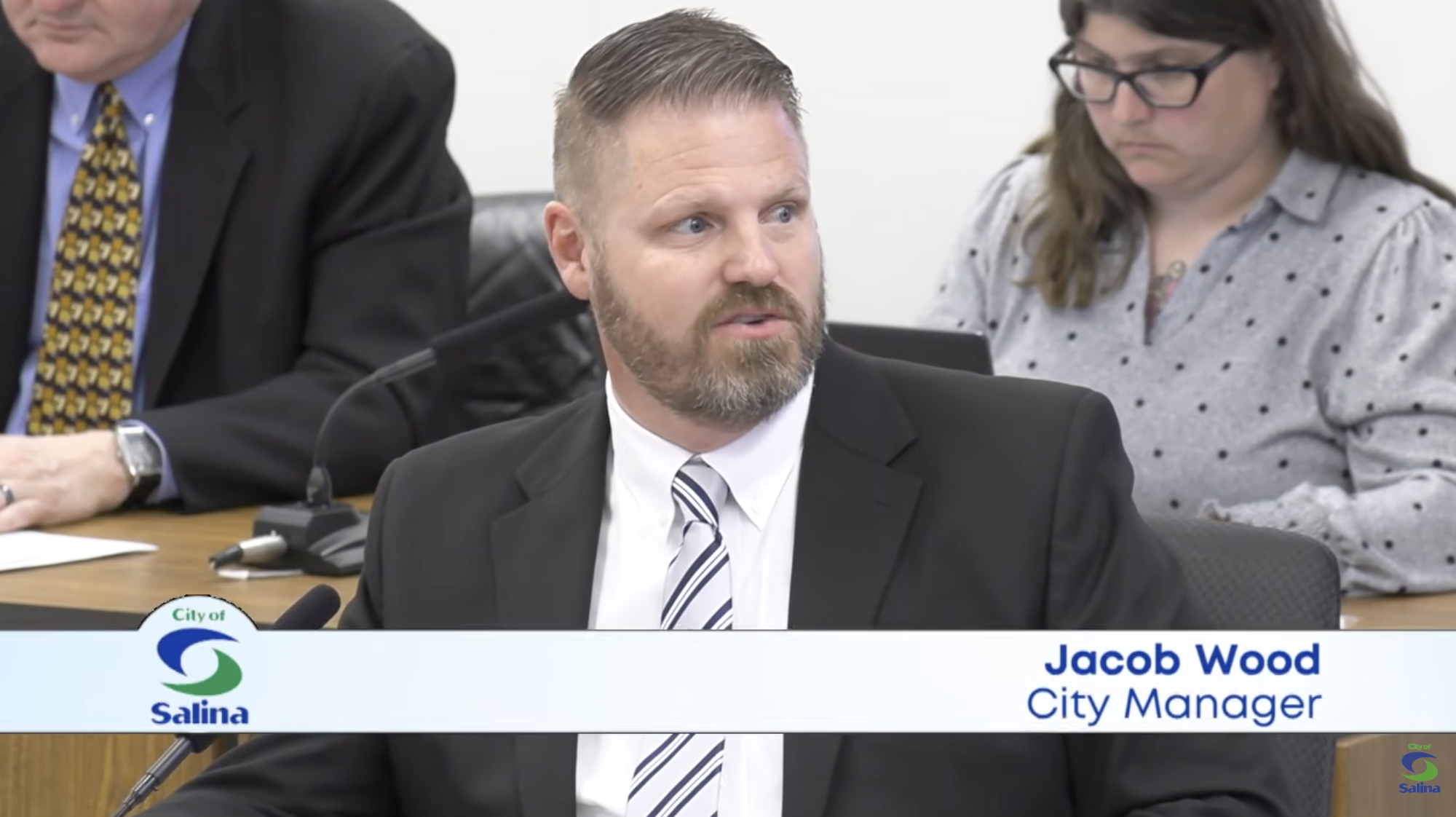
City Manager Jacob Wood said the city’s bid documents were not as clear as staff would have liked and that awarding the project as submitted could result in a final product that does not match what the city actually wants.
Staff said the city reserves the right to reject any or all bids and said rebidding the project is the recommended path because it would allow the city to substantially revise the design and clarify expectations before seeking new bids.