
Part One: TPEC Reports Five-Year Revenue High While Operating Loss Climbs to $705,739
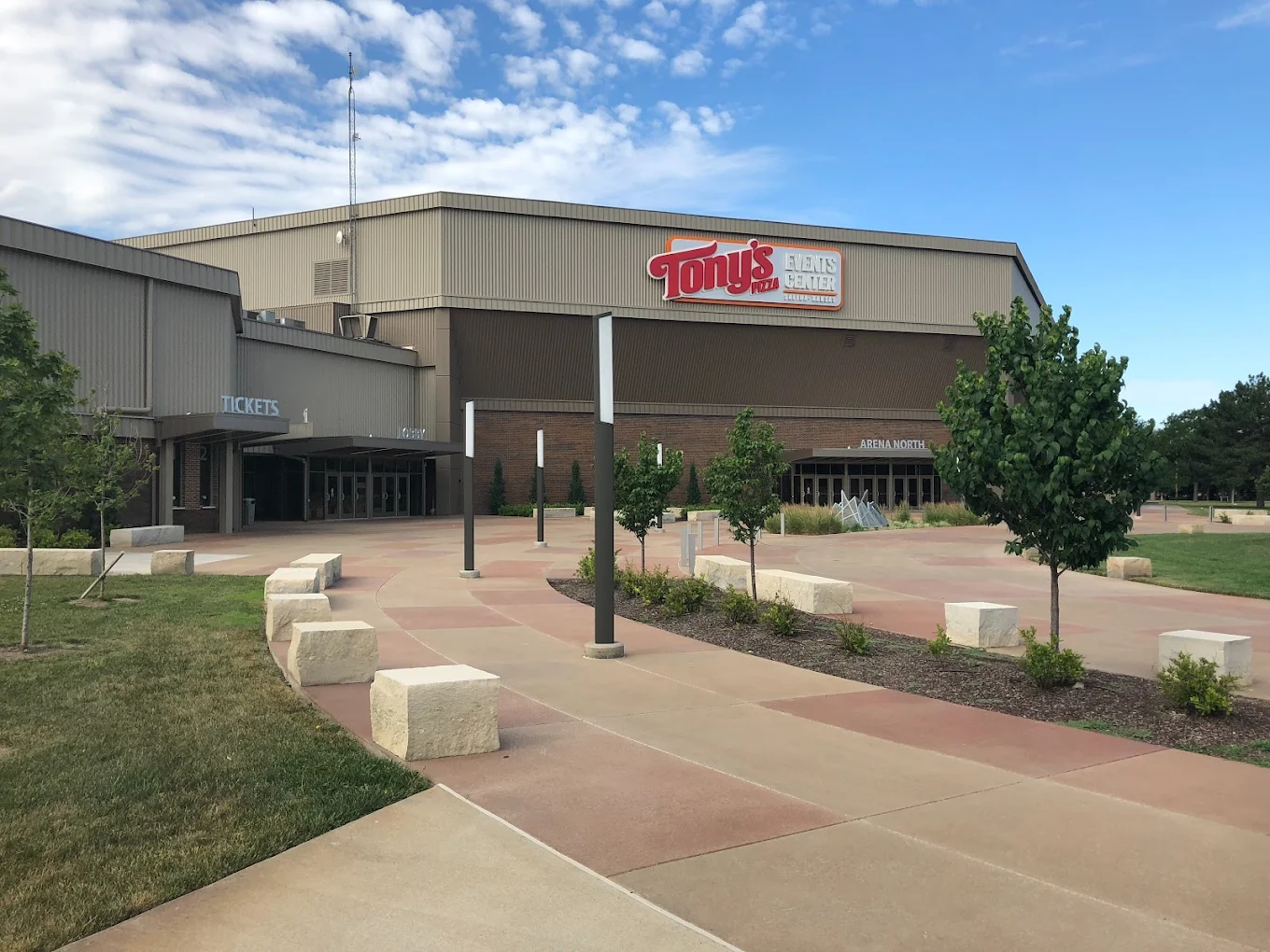
Tony’s Pizza Events Center reported its highest operating revenue in five years during fiscal 2025, but the publicly owned venue still posted its largest net operating loss during that same five-year period.
According to the venue’s audited financial statement for the year ended June 30, 2025, Tony’s Pizza Events Center reported $1,688,136 in total revenue. Expenses totaled $2,393,875, leaving a net loss of $705,739. The City of Salina committed $794,541 in operating funds during the year.
The numbers show a central issue for the City-owned facility: the venue is bringing in more money, but the financial gap has not meaningfully improved.
From fiscal 2021 through fiscal 2025, Tony’s Pizza Events Center reported annual net losses of:
2021: $703,560
2022: $672,530
2023: $628,244
2024: $687,052
2025: $705,739
During that same five-year period, the City committed operating funds each year to support the venue. Those amounts totaled approximately $3.58 million from fiscal 2021 through fiscal 2025.
The 2025 audit does not show a venue moving steadily toward lower public support. Instead, it shows revenue rebounding while expenses also climbed.
That matters because Tony’s Pizza Events Center is not privately owned. It is owned by the City of Salina and managed under a long-term agreement with Global Spectrum, L.P., now operating under the OVG360 name.
The Contract Was Not Written as a Profit Guarantee
The management agreement, extended in 2020, runs through Feb. 28, 2030. Under the agreement, the manager is paid a fixed management fee and can also earn incentive compensation based on contractual benchmarks.
That structure is important. The contract does not appear to require the venue to become profitable in order for the manager to be paid. It also does not appear to treat every operating loss as a failure of the contract.
In fact, the agreement includes target operating margins that anticipated losses in the hundreds of thousands of dollars during the early years of the agreement. That means continued losses, by themselves, do not automatically prove that OVG360 has violated the contract.
But the agreement also gives the manager responsibilities. Those include operating, promoting, booking, and managing the facility, along with working to maximize revenue, manage expenses, increase attendance, improve the event experience, and support the facility’s economic impact.
That is where the public question begins.
If the venue is generating more revenue but still requiring major City support, the issue is not simply whether people are using the building. The issue is whether the current management structure is producing better financial results for taxpayers.
Incentives Exist, But More Records Are Needed
Prior audits show that OVG360/Global Spectrum has been eligible for incentive fees based on contractual operating benchmarks. Those incentive fees are paid directly by the City and are not included in the venue’s operating statements.
That means the annual audit does not show the full picture of what the City pays under the management agreement.
The available records show the operating results of the venue. They do not fully show how incentive benchmarks were calculated, which benchmarks were met, whether any were missed, or how City officials evaluated the manager’s performance.
That is the next part of the review.
Salina311 is seeking additional records from the City of Salina, including annual operating budgets, monthly financial reports, management fee totals, incentive fee totals, benchmark calculations, and any City review of OVG360’s performance under the agreement.
Those records are needed to answer a more specific question: Is the management agreement rewarding measurable improvement, or is it allowing the venue to remain dependent on public support while still paying management and incentive fees?
What the Current Records Show
The records reviewed so far do not establish that OVG360 violated the agreement.
They do show that the venue’s financial performance has not shown sustained improvement in reducing annual losses.
In fiscal 2023, the venue reported a net loss of $628,244, the lowest loss in the five-year period reviewed. But the loss increased to $687,052 in fiscal 2024 and rose again to $705,739 in fiscal 2025.
The 2025 loss was larger than the loss reported in 2021, a year still affected by pandemic-era disruptions.
At the same time, 2025 revenue was the highest in the five-year set. That creates a sharper question for City oversight: why did the venue’s best revenue year still produce its largest net operating loss?
The 2025 audit shows several major expense categories, including $955,144 for wages, taxes, and benefits; $705,593 in event-related expenses; $242,193 for utilities; $181,653 for general administration; $89,031 for insurance; and $88,806 for repairs and maintenance.
The issue is not whether the building has activity. It does.
The issue is whether the activity is improving the bottom line enough to justify the public cost.
What Comes Next
This is the first part of Salina311’s review of Tony’s Pizza Events Center finances and the City’s management agreement with OVG360.
The next part will focus on the management contract itself, including what benchmarks OVG360 is expected to meet, how incentive payments are calculated, and whether the City has formally reviewed performance under the agreement.
A later review will examine the full public cost of the venue, including operating support, management fees, incentive fees, capital expenses, and any other City-paid costs not reflected directly in the operating statements.
For now, the available records show a venue with stronger revenue but no clear financial turnaround.
That is the basic fact taxpayers are left with: Tony’s Pizza Events Center is busier on paper, but it is not yet cheaper to operate.