The Hail Economy: One Storm Sends Ripple Effects Through Salina Homes, Businesses and Repair Trades
A severe hailstorm that moved through Salina early Monday did more than damage roofs, vehicles and windows. It created an immediate local ripple effect across insurance claims, auto glass repair, body shops, roofing crews, contractors, mall tenants and residents trying to figure out what comes next.
The National Weather Service in Wichita described the April 26-27 storm system as a 15-hour severe weather event across central and eastern Kansas. The final round of storms developed after 10 p.m. Sunday and produced mainly large hail, especially across Salina and Arkansas City.
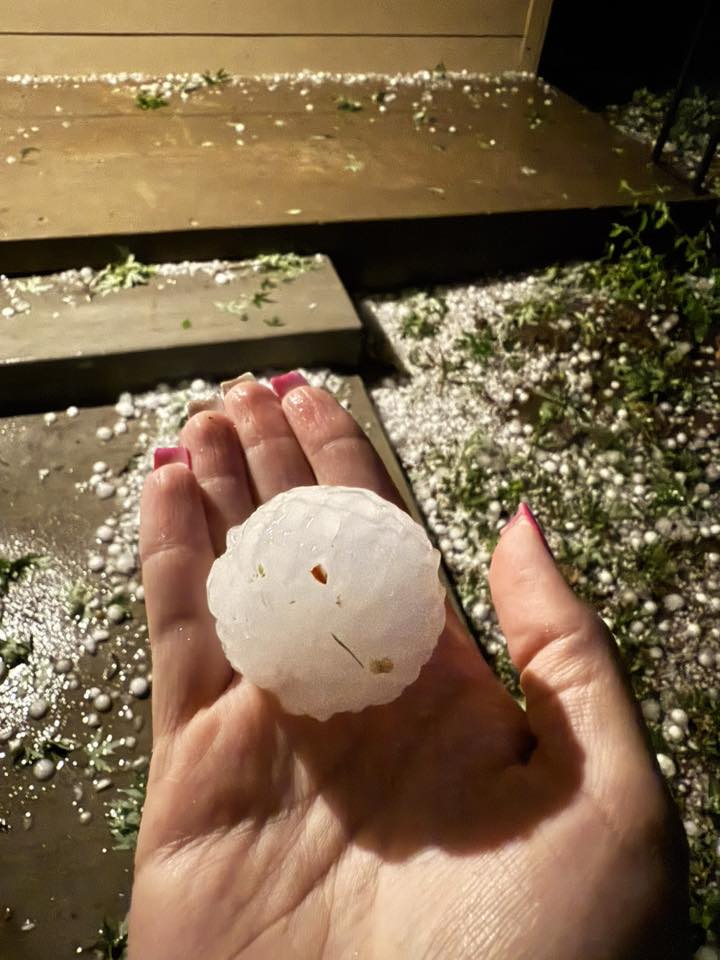
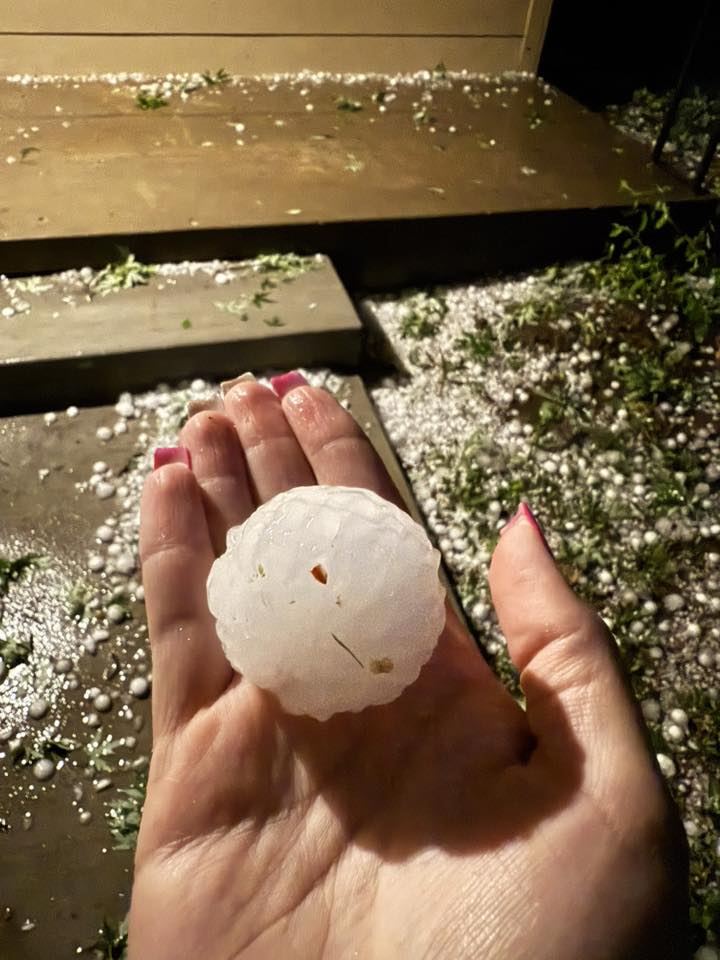
In Salina, public reports submitted to the National Weather Service included multiple reports of hail reaching or estimated at 2 inches. Reports included 2-inch hail 2 miles southeast of Salina at midnight, 2-inch hail 2 miles south-southwest of Salina at 12:27 a.m., 2-inch hail 6 miles southwest of Salina at 12:28 a.m., 2-inch hail 2 miles south of Salina at 12:31 a.m., 2-inch hail 1 mile east of Salina at 12:37 a.m. and 2-inch hail 1 mile southeast of Salina at 12:41 a.m.
That size of hail is large enough to break vehicle glass, damage roofs, dent siding and create water intrusion issues when paired with heavy rain. By Monday morning, the storm had shifted from a weather event into a cleanup and repair event.
Across Salina, residents and businesses reported damage to vehicles, trees, roofs and structures. At Salina Central Mall, storm-related roof damage led to a temporary closure, with photos from inside the mall showing ceiling tile debris and standing water on the floor.
The mall damage became one of the clearest examples of how the storm affected not only property, but business operations. A damaged roof does not just mean repairs. It can mean closed storefronts, interrupted schedules, displaced employees, delayed services and lost customer traffic until cleanup and safety checks are complete.
Inside parts of the mall, ceiling tiles were damaged, water entered the building and flooring had to be pulled back in some areas to assess damage underneath.
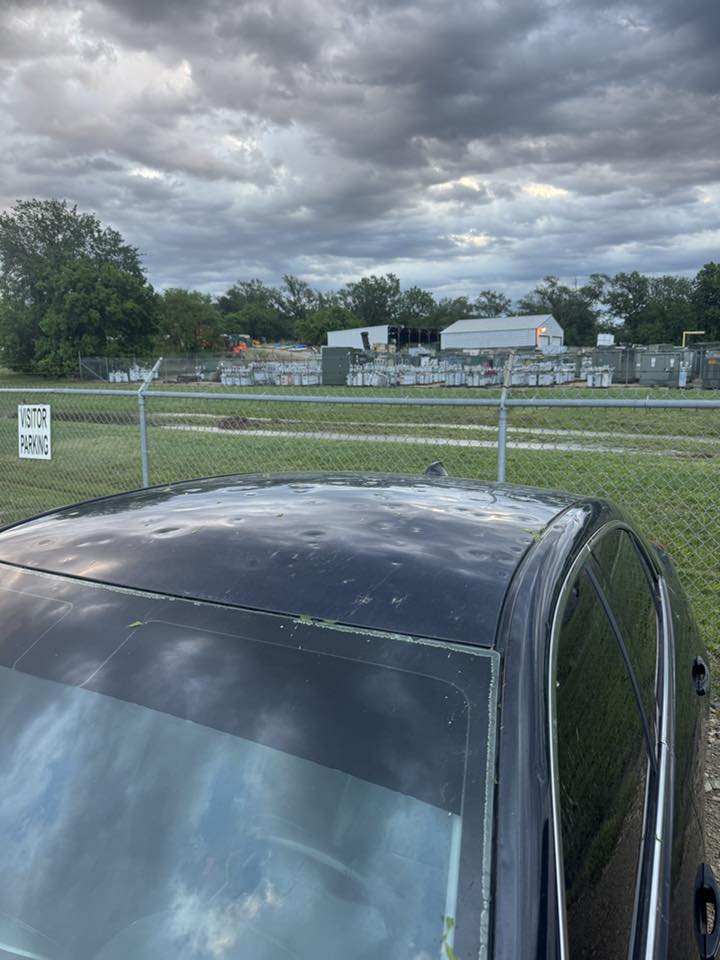
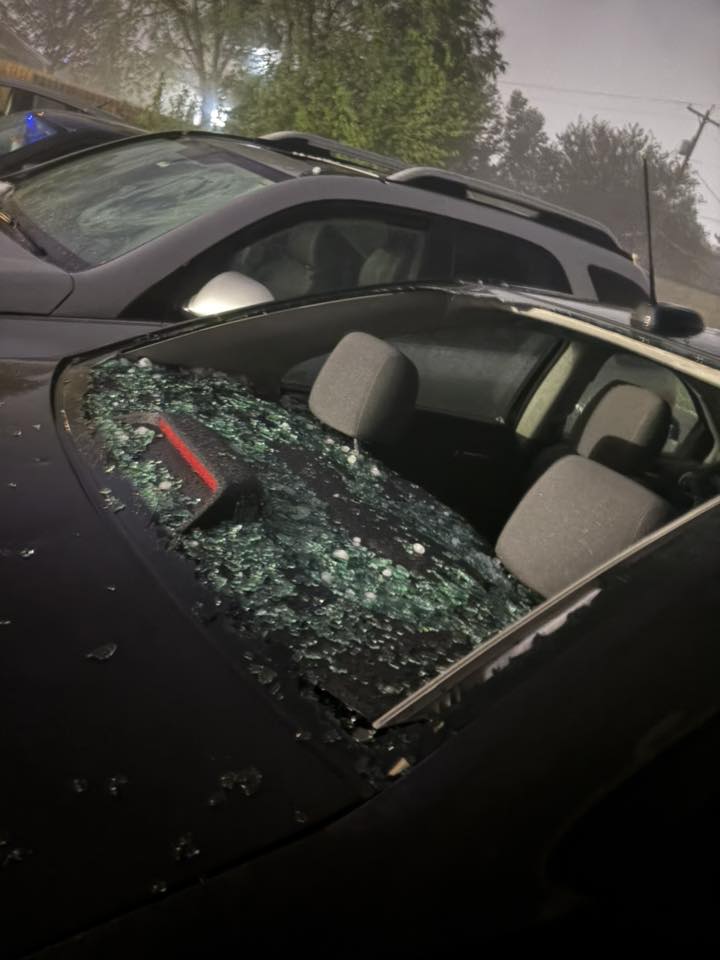
Vehicle damage quickly became another major part of the storm’s economic impact. Across the city, residents reported broken windshields, shattered vehicle glass, dented body panels and damaged personal vehicles. Some apartment complexes and parking areas saw heavy vehicle damage from the hail.
The result is a short-term surge in demand for roofers, auto body shops, glass repair companies, siding contractors, restoration crews, insurance adjusters and material suppliers. For homeowners and drivers, the first wave is documentation and claims. For repair businesses, the first wave is triage: broken glass, exposed roofs, water intrusion and temporary protection before permanent repairs can be scheduled.
The insurance impact may not stop with individual claims. Damaging hail events can affect insurance activity across an area, especially when claims are concentrated in specific ZIP codes or neighborhoods. Even residents who did not file claims may see broader market effects over time as insurers evaluate weather-related losses.
The City of Salina issued a warning Tuesday reminding residents and property owners to use caution when hiring contractors for roof and property repairs. The city said severe weather events often attract out-of-town or unlicensed contractors who may solicit work door-to-door.
The city urged residents to verify that contractors are properly licensed, avoid high-pressure sales tactics, obtain multiple estimates and written contracts, and confirm that contractors carry appropriate insurance.
The city also reminded residents that people going door-to-door to solicit work are required to obtain a peddler or solicitor license through the City Clerk’s Office. Residents were encouraged to request proof of licensing before working with any door-to-door contractor.
The Kansas Attorney General’s Office has issued similar warnings after storm damage in Kansas. State law requires roofing contractors to obtain a roofing contractor registration certificate from the Kansas Attorney General before legally providing commercial or residential roofing services for a fee in Kansas.
The Attorney General’s Office advises consumers to request a contractor’s registration certificate or registration number, confirm the company is listed in good standing, get recommendations and references, obtain at least three written estimates, check complaint records and understand payment options and cancellation rights before signing a contract.
As of publication, there has not been one public total showing the full dollar amount of local damage. That number may take time as homeowners, businesses, schools, vehicle owners, insurers and contractors work through inspections and claims.
What is clear is that the storm’s impact is broader than dents and broken glass. A single overnight hailstorm has created a local repair economy that will likely stretch for weeks, if not longer, as Salina moves from cleanup to claims, then from claims to repairs.
For residents, the next steps are straightforward: document damage before making repairs, contact insurance providers, protect exposed property from additional weather and verify any contractor before signing paperwork.
For local businesses, the coming weeks may bring heavy demand, full schedules and a test of how quickly Salina’s repair network can respond.
The storm lasted minutes in some areas. The economic cleanup will last much longer.