Salina’s Housing Need Remains as New Developments Add Units Across the City
Salina’s housing demand remains one of the city’s central growth challenges, even as new developments continue adding homes and apartments to the local market.
The city’s 2021 Live Salina housing update projected a potential need for 1,664 additional housing units from 2021 through 2030, assuming Salina continued attracting new households tied to employment growth. The same plan estimated need for 894 owner-occupied units and 770 renter-occupied units during that period.
That projection was not presented as a guarantee, but as a planning estimate based on whether the market responds and whether Salina competes successfully for new households. The report also noted that most new ownership demand was expected in the $200,000 to $300,000 range, with additional demand for rentals up to about $1,000 per month.
Since then, housing construction has become more visible across Salina. The city says that since adopting the revised housing plan and housing incentive policy in 2021, it has worked with developers to incentivize and begin construction on more than 400 new owner-occupied homes and more than 500 new rental units.
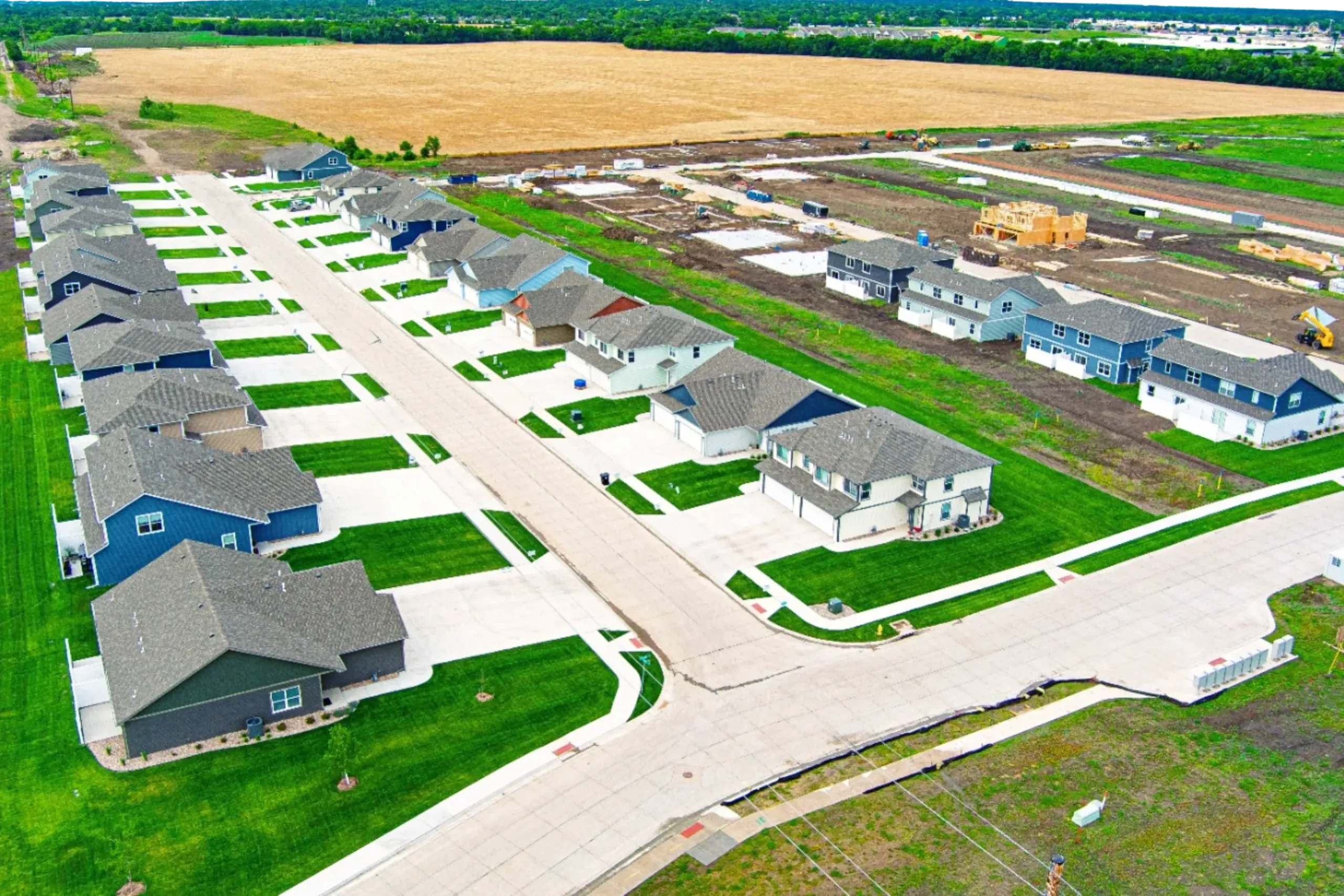
Local developments such as Aero Plains show how that housing strategy is taking shape on the ownership side. Aero Plains is marketing new homes with multiple floor plan options, including 2-bedroom, 2-bathroom homes with two-car garages starting at $219,900, and 3-bedroom, 3-bathroom homes with two-car garages listed at $249,900. The development also highlights zero-entry accessibility, open floor plans, landscaping, sod and sprinkler systems.
Those price points are significant because they fall near the ownership range identified in the city’s housing planning documents. For years, Salina’s challenge has not only been building more homes, but building homes at prices that match the local workforce and give buyers options beyond older existing inventory.
The rental side is also moving. Magnolia Village has been one of the larger apartment-focused projects in the city’s recent housing push. In late 2024, Salina officials approved a second phase connected to that development, with reporting at the time noting that the combined phases would bring the project to about 500 apartment units.
The broader issue remains supply. A newer housing forecast estimates Salina needs 1,368 new units over the next five years, including replacement housing and units needed to address low rental vacancy. That forecast lists a needed pace of about 274 units per year from 2026 through 2031.
The city’s housing strategy has also shifted beyond new subdivisions. City materials say that with greenfield construction underway, the next stage includes more focus on infill development, older homes, vacant lots and neighborhood repair.
That means Salina’s housing problem is not limited to one subdivision, one apartment complex or one side of town. New developments such as Aero Plains help answer part of the ownership demand. Apartment projects help address rental shortages. Rehabilitation and infill work are aimed at older neighborhoods where replacement costs and home values can make reinvestment difficult.
The bottom line is simple: Salina has added housing, but the need has not gone away. The city’s own planning documents show a long-term gap that still requires new ownership housing, rental units and reinvestment in existing neighborhoods if Salina wants its housing supply to keep pace with its economic growth.