
KDA Withholds July Salina Animal Shelter Inspection Report, Citing Possible Administrative or Civil Proceedings
The decision does not confirm that violations were found, but it indicates the state believes releasing the report could interfere with a potential administrative adjudication or civil litigation.
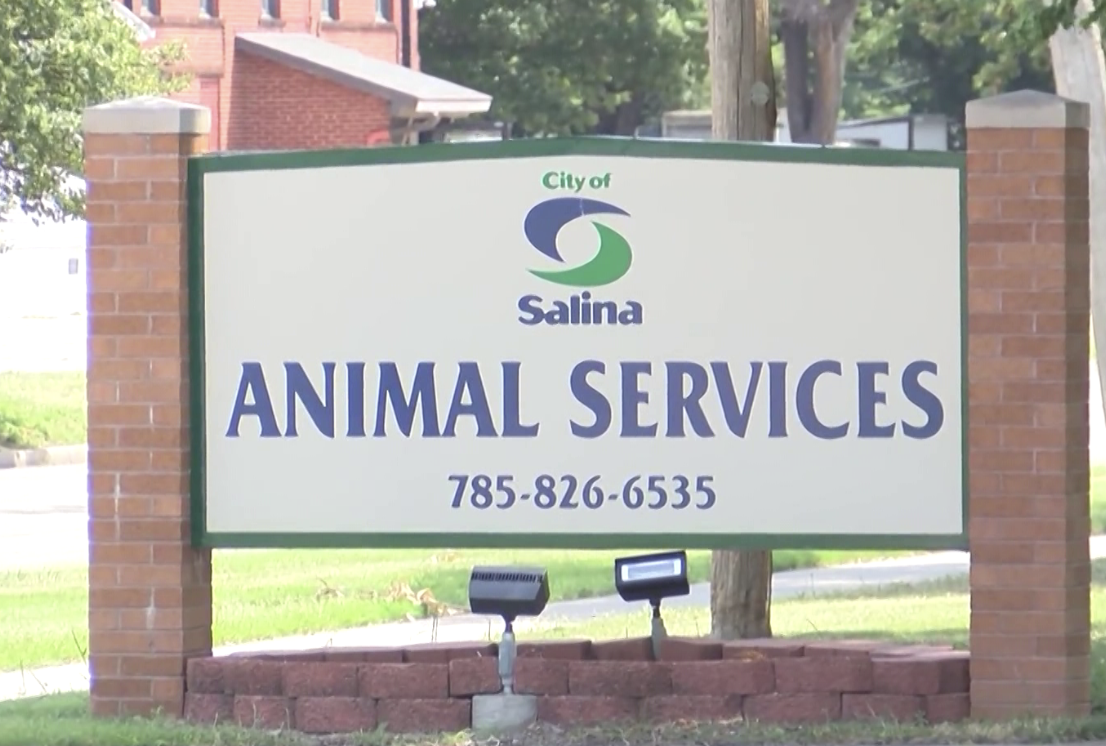
The Kansas Department of Agriculture has declined to release the report from an inspection conducted on or about July 17 at the Salina Animal Shelter, citing a Kansas Open Records Act exemption involving potential administrative proceedings or civil litigation.
In response to an open-records request seeking the inspection report, KDA confirmed that responsive records had been located. The department said the records would not be released under K.S.A. 45-221(a)(11) because disclosure could interfere with a prospective administrative adjudication or civil litigation.
The report’s findings, compliance rating and any corrective requirements therefore remain unknown.
What the Records Exemption Means
The exemption cited by KDA applies to records compiled by agencies while detecting or investigating possible violations of civil law or administrative regulations when disclosure could interfere with a prospective administrative adjudication or civil lawsuit.
The statute also allows records to be withheld if disclosure would identify a confidential source or if an investigation is formally closed with a determination that no violation occurred. KDA specifically relied on the portion concerning interference with prospective administrative adjudication or civil litigation.
That language indicates the department considers the July inspection report connected to a matter that could potentially move into an administrative or civil legal process.
It does not establish that a hearing has been scheduled, a lawsuit has been filed or KDA has made a final determination that the shelter violated state requirements.
This Is Not Confirmation of a Violation
The records denial should not be interpreted as a finding of wrongdoing.
KDA did not publicly identify:
Any violation found during the inspectionAny failed inspection categoryAny proposed penaltyAny corrective orderAny scheduled administrative hearingAny pending civil lawsuitAny individual or agency involved in a possible proceeding
The department’s response establishes only that records exist and that KDA believes releasing them at this time could interfere with a prospective administrative adjudication or civil litigation.
The word “prospective” is important. It refers to a proceeding that may be anticipated or under consideration, not necessarily one that has already been formally initiated.
The Exemption Is Civil or Administrative, Not Criminal
KDA cited the exemption covering administrative adjudication and civil litigation. It did not cite the separate Kansas Open Records Act provisions commonly used to protect criminal investigative records.
That distinction means the records decision should not be described as confirmation of a criminal investigation.
An administrative adjudication is generally a formal process conducted by a government agency to determine regulatory compliance, penalties, licensing issues or other matters under the agency’s authority.
Why the July Inspection Was Conducted Is Unknown
The existence of the inspection does not reveal whether it was routine, a follow-up inspection or the result of a complaint or other information received by the state.
Under the Kansas Pet Animal Act, KDA may inspect licensed animal facilities. The law also requires inspections when the department determines that reasonable grounds exist to believe a facility may be violating the act or its regulations, or when grounds may exist for a license suspension or revocation.
Complaints submitted to the Animal Facilities Inspection Program are confidential under Kansas law. As a result, the public may not be able to determine whether a complaint contributed to the July inspection.
KDA’s Animal Facilities Inspection Program regulates shelters, breeders, kennels and other licensed companion-animal facilities under the Kansas Pet Animal Act. Its stated purpose includes protecting the health, safety and welfare of animals in regulated facilities.
What Administrative Action Could Include
If KDA ultimately finds a violation, Kansas law provides several possible administrative remedies.
Depending on the circumstances, the animal health commissioner may refuse to renew, suspend or revoke a facility’s license for reasons including inadequate housing, improper feeding or sanitation practices, failure to provide adequate veterinary care or failure to maintain required documentation. A license action generally requires notice and an opportunity for a hearing.
KDA may also impose a civil penalty of up to $1,000 for each violation or require attendance at an educational course concerning animal care and treatment. Civil penalties also require notice and an opportunity for an administrative hearing.
Those are general enforcement options available under Kansas law. There is currently no public evidence that KDA is pursuing any specific penalty or license action against the Salina Animal Shelter following the July inspection.
Previous Inspections Found Problems and Later Compliance
The July inspection follows significant scrutiny of the shelter earlier this year.
A January 2026 KDA inspection identified multiple areas requiring improvement. The City of Salina later announced that a March 17 reinspection resulted in a “Satisfactory” rating.
According to the city, the March reinspection found that previously identified concerns had been corrected or were being actively addressed. The city said facility and equipment updates had been completed, records had been verified and veterinary and medication documentation met state requirements.
The withheld July report would show whether the shelter continued meeting those requirements, whether new issues were identified or whether the inspection concerned a separate matter.
At this time, none of those possibilities has been confirmed.
What the July Report Could Answer
The inspection report could potentially provide information about:
The shelter’s overall inspection ratingAnimal housing and enclosure conditionsFood, water and sanitation practicesVeterinary-care documentationMedication recordsEuthanasia procedures and authorizationEmployee training recordsAnimal intake and disposition recordsCorrective actions required by KDADeadlines for correcting any deficienciesWhether another reinspection is required
Kansas regulations governing pet-animal facilities address housing, sanitation, feeding, watering, veterinary care, euthanasia, recordkeeping and inspections.
Because the report has not been released, there is no confirmed information showing whether any of those categories were found compliant or deficient during the July inspection.