
Salina Drivers Warned: New Kansas Plate Law Could Bring $60 Fine Plus Court Costs
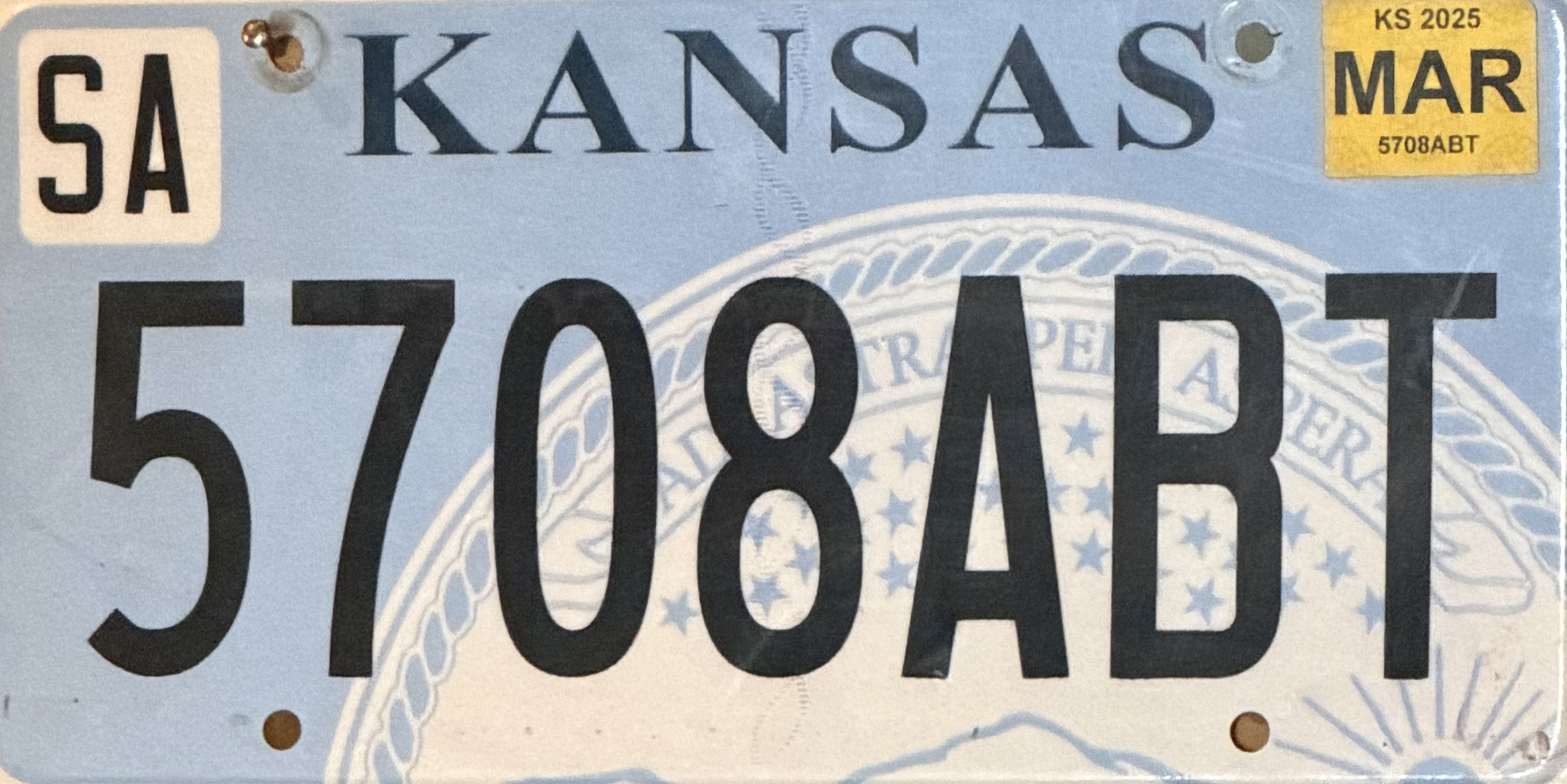
A new Kansas license plate law is now in effect, and drivers in Salina and across the state may want to check the frame around their vehicle tags.
Senate Bill 403 took effect July 1, 2026, as part of a group of new Kansas laws added to the state statute book. The law makes it illegal to operate a vehicle with a license plate frame or other object that affects the visibility or legibility of required plate information.
Under the law, a license plate must allow law enforcement to determine the plate number, the state of issue, the month of expiration on the registration decal, the color of the registration decal and any other required decal from a reasonably safe distance.
The law does not ban all license plate frames. The issue is whether the frame, cover or other object blocks required information. That could include some dealership frames, decorative frames, sports frames or other plate accessories if they cover part of the state name, plate number or registration decal.
For Salina drivers, the practical impact is simple: check the rear license plate before getting on the road. If the frame covers required information, it should be removed or replaced. Kansas law generally requires the plate to be attached to the rear of the vehicle, securely fastened, at least 12 inches from the ground, clearly visible and clearly legible.
The law includes a warning period. Officers are required to issue warning citations for violations involving a frame or object affecting plate visibility or legibility until January 1, 2027. After that date, the warning provision expires.
State legislative documents say existing Kansas law already prohibited license plates covered by clear, opaque or plastic-like material if the material affected the plate’s visibility or reflectivity. The same legislative summary lists the continuing fine for unlawful display of a license plate at $60.
The legislation followed debate over how clearly state names and other plate information must be visible. Supporters, including law enforcement representatives, argued that the bill clarifies plate visibility rules and helps officers identify vehicles more safely. Opponents raised concerns that the language could create ambiguity and lead to unnecessary traffic stops.
The bill also created new distinctive license plates. Pheasants Forever and Quail Forever plates are authorized beginning July 1, 2026. A Delta Waterfowl plate is authorized beginning January 1, 2027. Those plates are available for passenger vehicles and trucks registered for 20,000 pounds or less, with logo royalty payments set between $25 and $100 at initial issuance and renewal.
Vehicle registration and tag renewals in Saline County are handled through the Saline County Treasurer’s Office. The main tag office is located at 300 W. Ash Street, Room 210, in Salina. The office lists hours as 8 a.m. to 5 p.m. Monday through Friday, with appointments encouraged but not required for renewals or title work.
For most drivers, the new law does not require a new plate. It does require the existing plate to be readable. In plain terms, if a plate frame covers important information, the frame is now the problem.